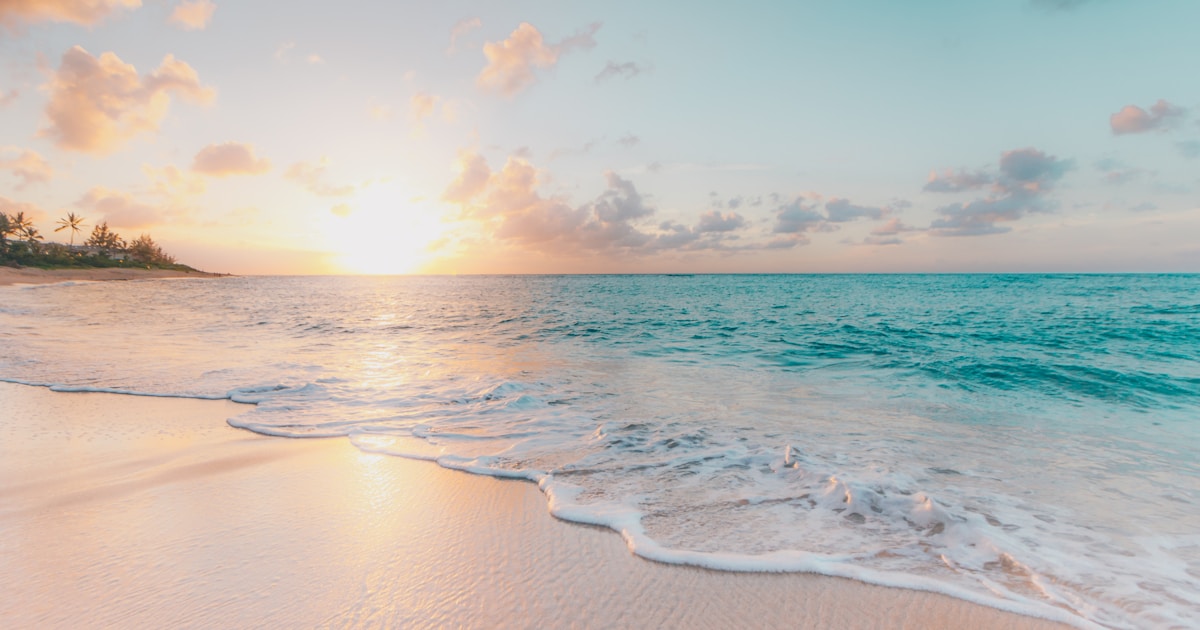
There are beaches on Oahu that don't show up in any guidebook. If you're lucky enough to get invited to one, there's a way to handle it — and a way to never get invited back.
Everyone knows about Waikiki. Most people have heard of Pipeline. Those are world-famous beaches — they exist in the public imagination and they belong to everyone in that sense. This isn't about those places. This is about the other beaches. The ones that don't have parking lots or signs. The ones where you pulled over on a dirt road because your friend said to trust them. The ones where, if you're standing there, someone put you on.
Local Spots Exist for a Reason
Oahu has a lot of coastline and not all of it is on a map that tourists use. Some beaches are hard to find on purpose — not gated off or illegal to visit, just not advertised. Locals have been going to these spots for generations. They cleaned them up, they watched over them, they brought their kids there. The reason the spot is still good is because the people who know about it treat it right.
When someone brings you to one of these places, you're being trusted. That trust comes with expectations that nobody will say out loud but everyone understands. Read the room. Match the energy. Don't make the person who invited you regret it.
The TikTok Problem
This needs to be said directly: if someone takes you to a local spot, do not post it on TikTok. Do not geotag it on Instagram. Do not drop a pin and share it to your story so your followers can find it. That's not what the invite was for. The whole point of a local spot is that it isn't crowded. The moment you blast it to your followers, it becomes crowded. And then it's not that spot anymore.
Street cred doesn't come from posting a spot. It comes from keeping a spot. The people who have been going there for twenty years will know exactly who talked, and that person won't be getting a second invite. Take the photos for yourself. Keep the memory private. That's how you show respect for the place and the person who showed it to you.
Respect the Environment — Especially the Turtles
Hawaiian green sea turtles — honu — are federally protected under the Endangered Species Act. You cannot touch them, chase them, or approach within a few feet. This isn't a suggestion from a nature pamphlet — it's federal law with real fines attached. At some local spots, turtles come up on the beach to rest. The correct response is to keep your distance, stay quiet, and watch. That's it.
The same principle applies to the spot itself. Pack out everything you brought in. Don't leave bottles, bags, or food waste. Don't carve anything into rocks or trees. Don't pick the plants. The reason the spot looks the way it does is because the people who know it take care of it. You are a guest in that maintenance agreement, even if nobody handed you a rulebook.
Surfers and Their Spots
Surf spots are their own category. A local surf break isn't just a good wave — it's a place where someone's grandfather learned to surf, where their father surfed, where they learned, and where they're teaching their kids now. That's a generational connection to a specific piece of ocean, and it carries real weight in Hawaiian culture.
If a local surfer invites you out to their spot, that's a significant gesture. Don't drop in on their waves. Don't paddle out to the peak immediately — sit on the shoulder, watch how things work, learn the lineup before you start asserting yourself. Respect in the water is earned slowly and lost quickly. A visitor who shows up and immediately acts like they own the break will not be welcomed back, and they'll have a miserable session in the meantime.
Bring Pupus. Bring Your Own Drinks. Don't Show Up Empty Handed.
This is the one rule that will determine whether you get invited again. If someone is taking you somewhere special, you bring something to contribute. Pupus — snacks, appetizers, something to share — and your own drinks at minimum. Think of it as the entry fee, except instead of paying a stranger, you're contributing to a shared experience with people who are being genuinely generous with you.
Locals share. That's deeply embedded in the culture here — you offer what you have, you don't let someone sit without a plate. But sharing works because everyone brings something. Showing up empty-handed to a local spot, letting everyone else provide the food and drinks while you enjoy the location they shared with you, is a real breach. People will notice. They won't say anything. But they'll notice.
Local Tip
Go to Foodland, Times, or Don Quijote before you head out. Grab a few bags of chips, some musubi from the deli case, maybe a fruit platter. Spend $20-30. It's the cheapest way to show you understand the culture, and it's the difference between being a guest and being a burden.
Be Willing to Share Everything You Brought
If you brought food, offer it. Don't guard your plate. Don't sit with your snacks and watch other people eat. Put it in the middle and tell people to help themselves. That's how it works. That's what everyone else around you is doing. You match that energy or you stick out in the wrong way.
The best days at a local spot have a specific feel to them — everyone brought something, everything got shared, nobody kept score. That generosity is what makes it feel like a real community instead of a public beach. If you show up and participate in that the right way, you might get invited again. You might even become a regular. And one day, years from now, you might be the one deciding who gets to come.
The Short Version
- Don't post the location on social media — not now, not later
- Keep the spot clean — pack everything out
- Don't touch, chase, or crowd the turtles — federal law, not a suggestion
- In the water, respect the lineup — watch first, earn your place slowly
- Always bring food and drinks to share — it's the cost of admission
- Be willing to share what you brought, without keeping score
- Show up empty handed once, and it'll probably be your last invite
Oahu's local culture is genuinely open to people who approach it with respect. The aloha spirit is real. But it's a two-way thing — you bring the right attitude, you get the real Hawaii in return. Show up like a tourist taking something for a social media post, and that's exactly the experience you'll get.

